
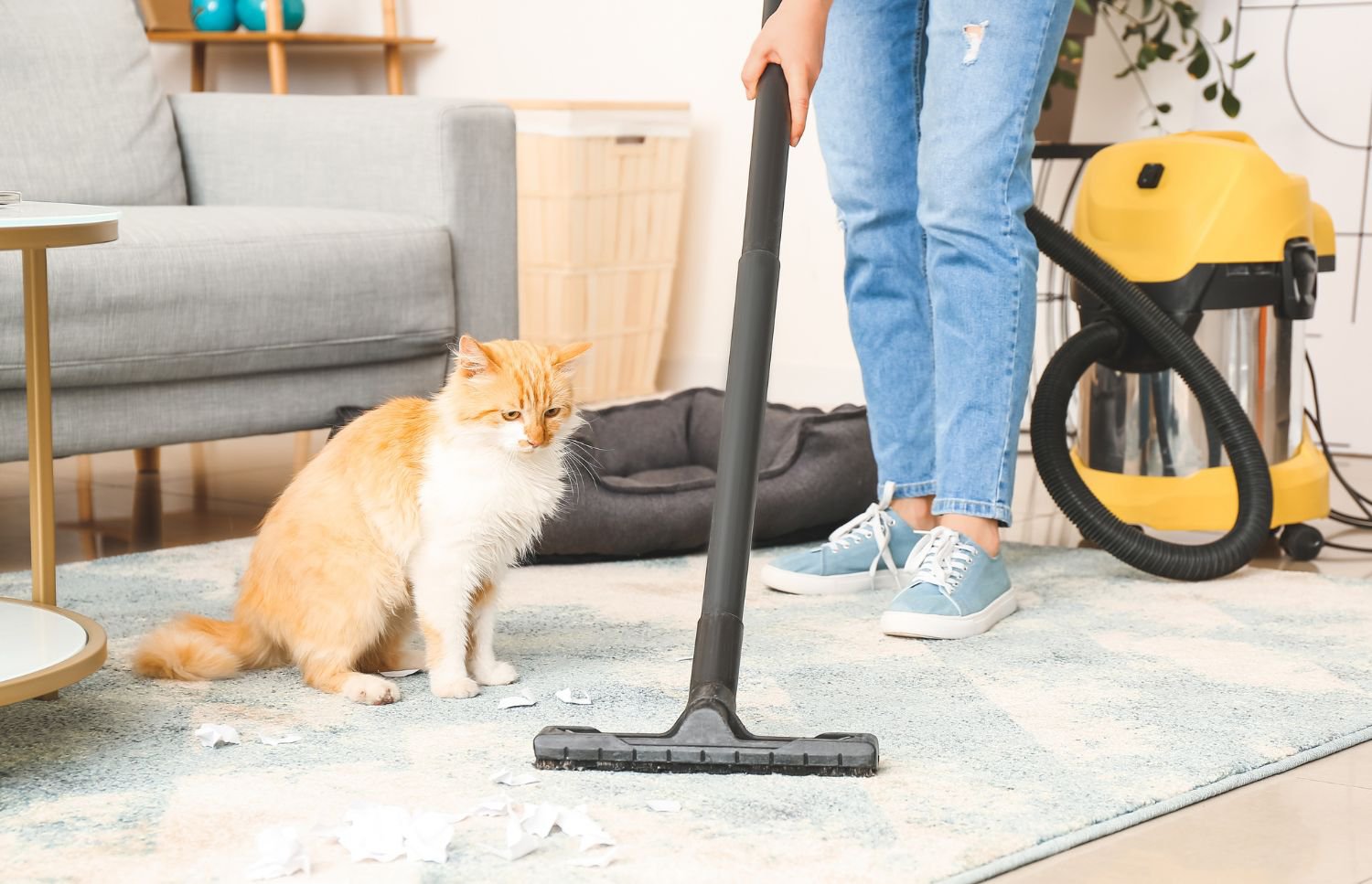
Having pets at home means dealing with a few messes along the way. Maybe your dog tracks mud across the floor right before guests arrive, or a familiar pet odor lingers even after you clean up. These situations are part of life with animals, but knowing how to handle them can make home care less stressful.
The best approach depends on the type of mess, the surface involved, and whether an odor remains after cleaning. Bud's Wonder Solution focuses on helping pet owners tackle stubborn odors with an enzymatic approach that targets odor-causing organic sources. The following tips cover common household pet messes, practical ways to clean different materials, and habits that can make maintaining a pet-friendly home easier.
Identifying Common Household Pet Messes
Before deciding how to clean, identify the kind of mess your pet has left behind. Dirt, moisture, waste, and lingering odors each present different challenges, so recognizing the problem helps you avoid unnecessary cleaning or treatments.
Common household pet messes include:
- Urine accidents: Liquid can soak into carpets, upholstery, and other absorbent materials, leaving odors even after the surface looks clean.
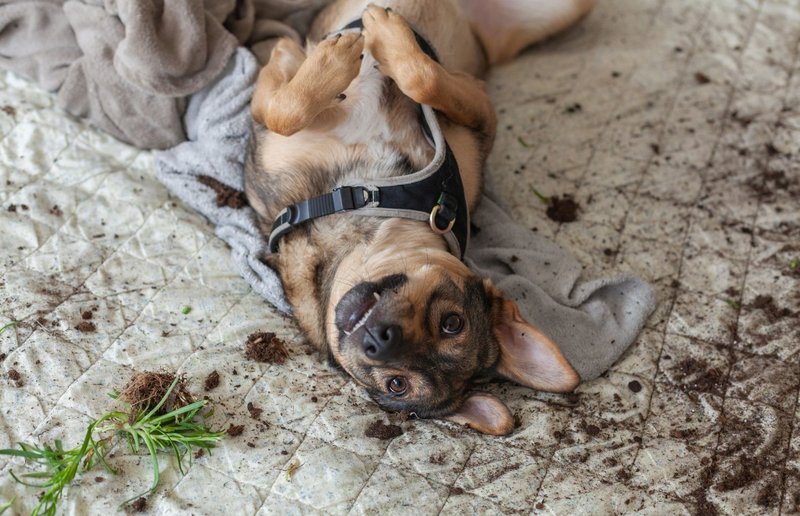
- Muddy paw prints: Wet dirt can spread across floors, rugs, and furniture, particularly after outdoor play.
- Wet-dog odors: Damp fur can leave a lingering smell on blankets, beds, and favorite resting spots.
- Litter box messes: Scattered litter and waste can affect the area surrounding a cat's box.
- Dirty pet bedding: Repeated use can leave blankets and pet beds with accumulated dirt, fur, and unpleasant smells.
The source matters because visible dirt and lingering odors do not always require the same solution. Removing the material causing the mess is the first step; any remaining smell may need separate attention.
Why Quick Cleanup Matters for Pet Odors
Pet accidents are easier to manage when you address them promptly. Liquids can spread or soak into absorbent materials, making the affected area harder to clean thoroughly. Lingering odors can also become more noticeable when a mess goes untreated.
For urine or other liquid accidents, remove solid waste first and blot excess moisture with an absorbent cloth or paper towel. Avoid rubbing the area, which can spread the mess or push moisture deeper into the material. Once the visible residue is removed, check whether an odor remains.
When ordinary cleanup hasn't resolved a persistent pet odor, an enzymatic product may help address certain odor-causing organic sources. Bud’s Wonder Solution™ Enzymatic Odor Eliminator uses this approach rather than relying on fragrance alone. Its formula may be useful when routine cleaning hasn't fully addressed a pet odor concern.
How Different Surfaces Affect Your Cleanup Approach
The same cleaning method won't work for every surface. For example, hard flooring, carpet, upholstery, and washable bedding respond differently to moisture and cleaning products, so consider the material before treating a mess.
- Hard floors: Remove dirt or waste, then clean with a product suitable for the flooring. Avoid leaving excess moisture on materials that may be sensitive to water.
- Carpets and rugs: Blot liquid rather than scrubbing, and check the care guidance before applying a cleaning solution.
- Upholstery: Look at the furniture's care label before using water or a spray. Test any suitable cleaning product on an inconspicuous area first.
- Pet bedding: Follow the washing instructions for the fabric and allow items to dry appropriately before returning them to your pet.
Bud's Wonder Solution’s Enzymatic Odor Eliminator is intended for use on surfaces that include carpets, rugs, furniture, upholstery, and pet bedding. Before applying it, test an inconspicuous area for colorfastness.
When a surface has special care requirements, follow its manufacturer's guidance before trying a new treatment.
Preventing Everyday Pet Messes With Simple Habits
Prevention won't eliminate every accident, but small changes can reduce the amount of dirt and debris that travels through your home. Focus on the places where messes tend to start rather than adding unnecessary chores to your routine.
- Wipe paws at the door: Keep a suitable towel near the entrance for muddy paws after walks or outdoor play.
- Keep litter areas tidy: Remove waste regularly and sweep up scattered litter around the box.
- Wash bedding on a schedule: Follow care labels and clean blankets or pet beds as needed.
- Maintain feeding areas: Pick up spilled food and water, and clean bowls and nearby surfaces regularly.
- Keep supplies accessible: Store cloths, paper towels, and suitable cleaning products where they're easy to reach when accidents happen.
These habits help manage recurring sources of mess before they spread and make it easier to spot changes, such as a frequently soiled area. A 2025 study on litter box preferences found a comfortable litter setup helped reduce house-soiling in cats. Small adjustments like these can keep everyday messes from turning into bigger problems.
Simple Routines for Managing Household Cleanup
When a mess happens, a consistent sequence helps you handle it without overlooking an important step. Rather than treating every accident the same way, use this simple routine as a starting point:
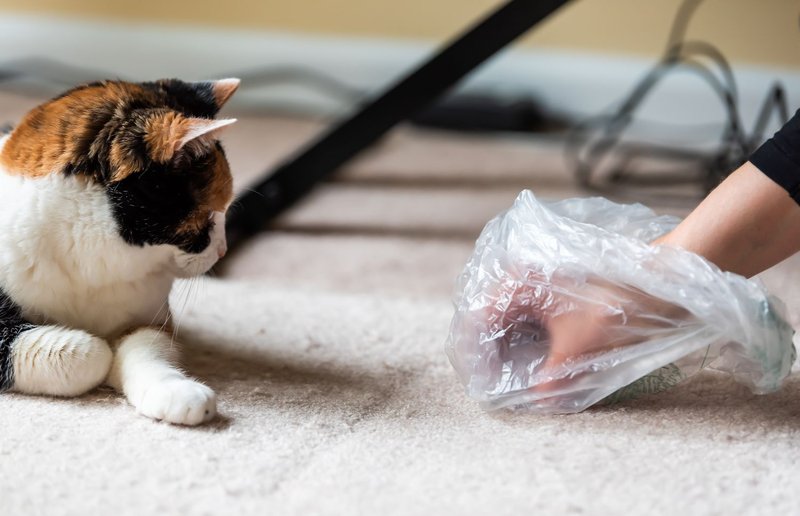
- Remove the source: Pick up solid waste and clear away loose dirt or debris.
- Absorb excess moisture: Blot liquid with an absorbent cloth or paper towel instead of rubbing.
- Treat the surface appropriately: Follow the material's care instructions and use a suitable cleaning product.
- Address lingering odors: If a smell remains, consider an appropriate odor-treatment product.
- Check the result: Assess the area after cleaning and allow any required care or drying time.
For stubborn odors, Bud’s Wonder Solution recommends covering the treated area with a wet, non-staining cloth overnight. Refer to the product directions for the complete process. Avoid mixing cleaning products unless the labels confirm that doing so is safe. Poison control experts note that bleach can react with ammonia in urine, so bleach-free cleaners are suitable for pet stains.
A repeatable routine makes unexpected accidents less overwhelming. It also helps you distinguish between a mess that needs basic cleaning and one that calls for additional attention. Over time, these steps can become second nature, leaving you more time to enjoy your pets.
Embracing a Fresh, Pet-Friendly Home
Pet messes are a normal part of sharing your home with animals. Identifying the problem, using surface-appropriate cleaning methods, and maintaining a few simple habits can make everyday care more manageable.
Bud's Wonder Solution understands the challenges pet owners face when keeping their homes fresh. We’re here to support pet owners with practical guidance and odor solutions that help make caring for their pets and living spaces easier. Visit our website to learn more about how we can help.
No responses yet